
Steel vs. Resin Pool Frames: Durability and Corrosion Comparison
The Direct Answer: Which Frame Material is Better?
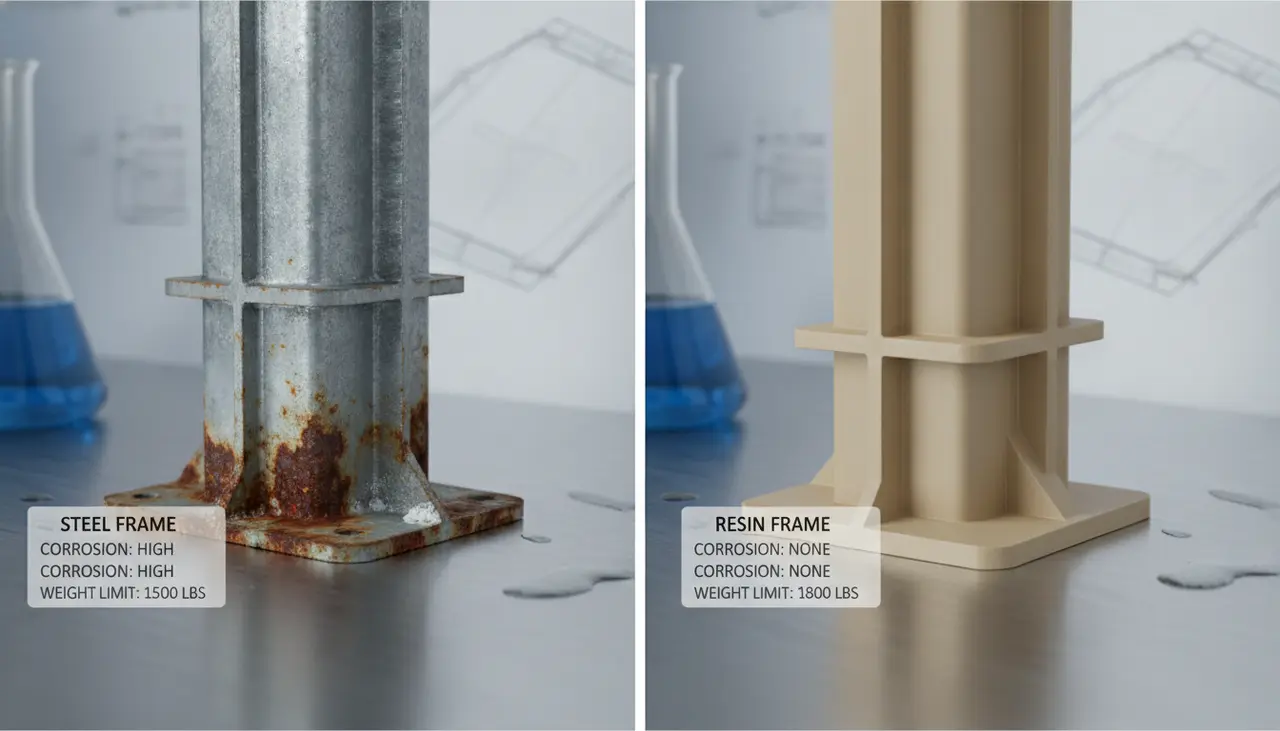
The choice between a resin vs steel above ground pool frame depends primarily on your sanitation system and local climate. Resin frames are technically superior for longevity, as they are 100% corrosion-proof and required for saltwater chlorine generators. Steel frames offer higher structural rigidity at a lower price point but are susceptible to oxidation (rust) if the protective coatings are breached.
For a standard chlorine pool in a dry climate, a high-quality galvanized steel frame provides the best value. For saltwater systems or high-humidity coastal environments, resin is the only viable long-term infrastructure choice to prevent structural failure.
Technical Buyer-Intent Introduction
This guide is designed for property owners and installers who are evaluating the structural integrity of above ground pool kits. We focus on the engineering specifications of the top rails, uprights, and bottom plates. If you are investing in a permanent or semi-permanent above ground structure, understanding the material science behind these frames is critical to preventing premature collapse or liner damage.
Structural Material Comparison Table
| Feature | Galvanized Steel Frames | UV-Stabilized Resin Frames |
|---|---|---|
| Corrosion Resistance | Moderate (Zinc-coated) | Absolute (Non-metallic) |
| Saltwater Compatible | No (Accelerates oxidation) | Yes |
| Rigidity/Strength | Very High | High |
| Thermal Expansion | Minimal | Moderate (Requires expansion joints) |
| Impact Resistance | High (Dents, doesn't crack) | Moderate (Can crack in extreme cold) |
| Typical Lifespan | 10–15 Years | 20+ Years |
| Average Cost | Lower | Higher (20-40% premium) |
Analyzing Steel Frame Infrastructure
Steel frames are typically constructed from corrugated galvanized steel. The durability of a steel frame is measured by its "G-rating" (the weight of the zinc coating).
- Protective Layers: Quality steel pools, such as those from Hayward or Wilbar, use a multi-layer approach: a steel core, a zinc galvanization layer, a primer coat, and a final polyester or liquid resin topcoat.
- Structural Rigidity: Steel provides a higher modulus of elasticity than resin. This means it can withstand the lateral pressure of thousands of gallons of water with less material thickness.
- Failure Points: The most common failure points in steel frames are the "bottom tracks" where water and pool chemicals tend to pool. Once the zinc coating is scratched during installation, oxidation begins immediately.
Analyzing Resin Frame Infrastructure
"Resin" in the context of pool frames refers to high-density, UV-stabilized plastics or composite materials.
- Corrosion Immunity: Because resin contains no iron, it cannot rust. This makes it the industry standard for saltwater pools, where electrolysis would otherwise strip the protection from a steel frame.
- Thermal Properties: Resin stays cooler to the touch in direct sunlight compared to dark-coated steel. However, resin has a higher coefficient of thermal expansion, meaning the components may shift slightly between day and night temperatures.
- Hybrid Options: Many "resin pools" are actually hybrids, featuring resin top rails and uprights with a steel wall. This combines the rigidity of a steel wall with the corrosion resistance of resin in the areas most exposed to splashes.
Best Use-Cases for Each Material
Best for Traditional Chlorine Systems: Galvanized Steel
If you are using standard chlorine tablets or liquid shock and are on a strict budget, steel is the logical choice. It provides a robust, heavy-duty feel and can last over a decade if the pH is balanced and leaks are addressed immediately.
Best for Saltwater Systems: Full Resin
Saltwater chlorine generators (SWCG) create an electrolytic environment that is highly corrosive to metal. If you plan to use salt, you must select a pool with resin top rails, uprights, and bottom tracks to maintain your warranty and structural safety.
Best for High-UV Environments: Hybrid Frames
In regions with extreme sun exposure, a hybrid frame with resin top rails prevents the "burning" sensation on swimmers' arms while maintaining the structural stability of a steel wall.
Common Beginner Mistakes to Avoid
- Using Salt with Steel: Installing a saltwater system on a steel-frame pool usually voids the manufacturer's warranty and can lead to structural failure within 3–5 years.
- Improper Leveling: Regardless of frame material, a variance of more than 1 inch across the diameter of the pool can cause the frame to buckle. Steel will bend; resin may snap.
- Ignoring the Bottom Track: Many owners focus on the top rails, but the bottom track (where the wall sits) is the most vulnerable to moisture. Ensure this area has proper drainage.
- Mixing Hardware: Never replace stainless steel or coated hardware with standard zinc screws from a hardware store. Dissimilar metals lead to galvanic corrosion.
For more information on coordinating your frame with the correct mechanical components, see The Pool Logic Master Buying Guide: Infrastructure, Filtration, and Maintenance.
Frequently Asked Questions (FAQ)
Does a resin pool have a steel wall? In most cases, yes. Most "resin" pools use a corrugated steel wall that is heavily coated in vinyl or resin, while the structural skeleton (uprights and rails) is made of solid resin.
Can I upgrade my steel frame to resin later? No. The components are manufactured to specific tolerances and interlocking designs. Uprights and top rails are rarely interchangeable between different models or materials.
Which is easier to install? Resin components are lighter and often feature "snap-together" technology, making them slightly easier for DIY installation. Steel components often require more hardware and precise alignment of bolt holes.
How does frame material affect liner choice? The frame material itself doesn't dictate the liner, but the "receiver" or "bead track" does. For a technical breakdown of how liners interact with these frames, refer to our forthcoming liner compatibility guide.
Affiliate Disclosure: This guide contains affiliate links to structural pool kits and filtration hardware. If you purchase through these links, Pool Logic may earn a commission at no additional cost to you. Our recommendations are based on technical specifications and manufacturer durability data.