
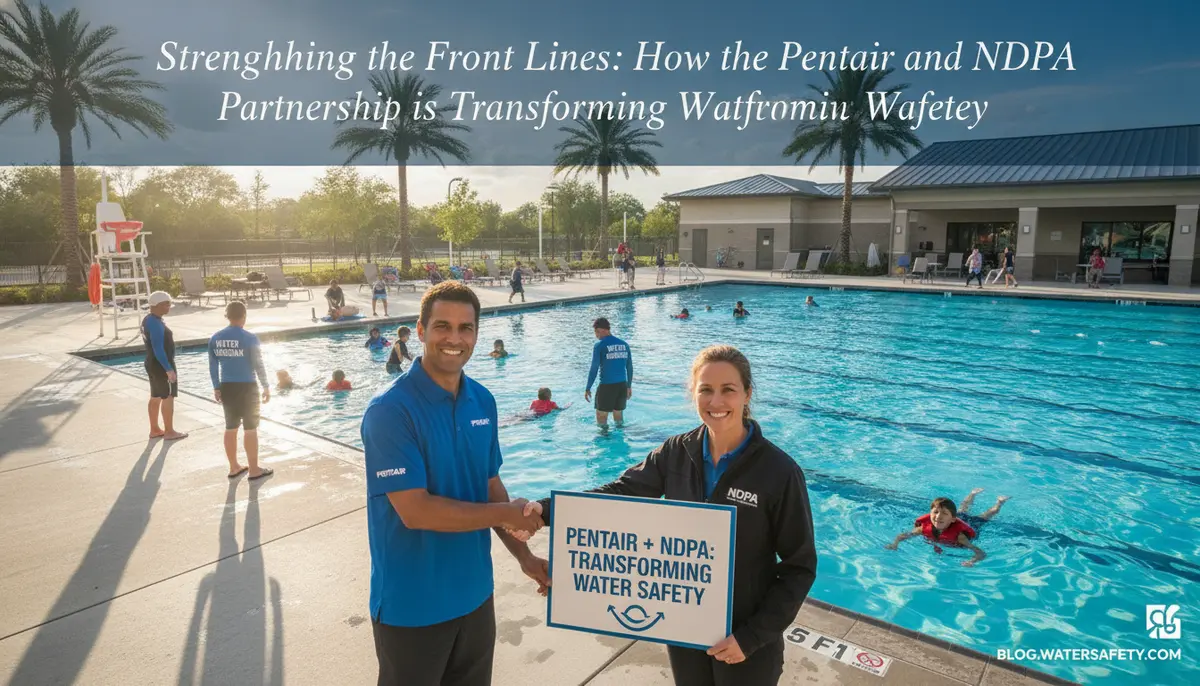
Strengthening the Front Lines: How the Pentair and NDPA Partnership is Transforming Water Safety
The statistics surrounding water-related accidents are a sobering reminder of the responsibilities that come with pool ownership. Drowning remains a leading cause of preventable death among children, a reality that the pool and spa industry continues to combat through innovation and education. Recently, Pentair Pool took a significant step forward by launching a new water safety resource hub in direct partnership with the National Drowning Prevention Alliance (NDPA).
This collaboration is more than just a corporate initiative; it represents a strategic shift in how safety information is disseminated. By targeting both the families who enjoy the water and the professionals who maintain it, Pentair and the NDPA are creating a unified front against a preventable tragedy.
The Pool Professional as a Vital Safety Advocate
One of the most impactful elements of this partnership is the recognition of the pool professional’s unique role. Service technicians, builders, and retail staff are often the only experts who regularly enter a family’s backyard. This proximity creates a level of trust that can be leveraged to save lives.
According to Alissa Magrum, executive director of the NDPA, pool professionals serve as "trusted messengers." When a technician mentions a worn-out drain cover or suggests a more secure gate latch, the homeowner is far more likely to listen than if they read the same advice in a generic manual. The new resource hub provides these professionals with a "common language" to discuss safety, ensuring that the advice given in one backyard matches the best practices shared across the country.
For professionals looking to deepen their expertise beyond water safety, understanding the technical integrity of the pool environment is equally important. For instance, ensuring the structural finish of a pool is properly maintained is a key part of long-term safety and hygiene. Professionals can benefit from The Professional’s Guide to Swimming Pool Painting: Application Mastery and Environmental Control to ensure the physical vessel remains in peak condition.
Key Resources of the Pentair-NDPA Hub
The newly launched webpage is designed to be a centralized repository of actionable information. Rather than providing vague suggestions, the hub offers specific tools that can be implemented immediately.
Practical Water Safety Checklists
The cornerstone of the resource hub is a comprehensive safety checklist. This tool allows homeowners to audit their own backyards, identifying potential weak points in their "layers of protection." This includes checking the functionality of self-closing gates, ensuring rescue equipment is accessible, and verifying that anti-entrapment drain covers are compliant with current standards.
Active Supervision Lessons
A common misconception is that drowning is a loud, splashy event. In reality, it is often silent and can happen in seconds. The hub provides educational materials on "active supervision"—the practice of having a designated adult whose sole responsibility is watching the water, free from distractions like phones or books.
Educational Video Content
Visual learning is often the most effective way to communicate the gravity of water safety. The partnership has produced a series of videos that demonstrate proper safety behaviors and explain the "why" behind various prevention strategies. These videos are designed to be shared easily on social media or during service calls to reinforce safety culture.
Building Layers of Protection
The NDPA has long advocated for the "Layers of Protection" approach. No single device or behavior can prevent 100% of accidents, but a combination of several layers creates a much higher margin of safety.
- Barriers: Fences, self-locking gates, and pool covers.
- Alarms: Door alarms and pool immersion alarms that alert the household if someone enters the water unexpectedly.
- Education: Swimming lessons for children and CPR training for adults.
- Supervision: The constant presence of a "Water Watcher."
To assist in establishing these layers, homeowners should consider high-quality safety equipment that meets industry standards.
Pool Safety Alarms and Door Alerts
Holistic Safety: Beyond the Water’s Surface
While drowning prevention is the primary focus of the Pentair and NDPA initiative, true backyard safety is holistic. A safe pool environment also requires attention to the systems that keep the water moving and the electricity that powers them.
Water safety isn't just about what happens on the surface; it’s about the invisible risks as well. Proper grounding and bonding of pool equipment are essential to prevent electrical shock. For a deep dive into this technical aspect of safety, see our article on Pool Electrical Safety: A Comprehensive Guide to Bonding, Grounding, and Inspections.
Furthermore, maintaining water chemistry is a safety issue that impacts the health of every swimmer. It is a common mistake to assume that clear water is "safe" or that pool water can act as a general disinfectant for other surfaces. Understanding the nuances of sanitation is vital for preventing recreational water illnesses. You can learn more about these distinctions in our guide Beyond the Splash: Why Pool Water Is Not a Surface Disinfectant.
Creating a Culture of Safety in the Backyard
The collaboration between Pentair and the NDPA aims to move the needle from "reactive" safety—responding to an accident—to "proactive" safety. This involves changing the conversation from one of fear to one of empowerment.
Kenneth Gregory, compliance and safety manager for Pentair Pool, emphasized that safety is the "utmost importance" to the industry. By providing these resources for free, Pentair is helping to remove the barriers to education. When pool owners feel equipped with knowledge, they are more likely to invest in the necessary equipment and behavioral changes that protect their families.
How Families Can Use the New Hub
- Conduct a Weekend Audit: Use the checklist provided on the hub to walk through your backyard and identify one or two safety upgrades.
- Designate a Water Watcher: Use the NDPA's guidelines to implement a "Water Watcher" tag system during your next pool gathering.
- Review Emergency Plans: Ensure that everyone in the household knows how to call 911 and where the reaching pole or life ring is located.
Life Rings and Rescue Hooks
The Future of Industry-Led Prevention
The launch of this resource hub is a significant milestone, but it is only the beginning. As technology evolves, so too will the tools available for drowning prevention. We are seeing an increase in AI-driven pool cameras and wearable sensors that provide an extra layer of digital supervision. However, as both Pentair and the NDPA stress, technology is a supplement to, not a replacement for, human supervision and physical barriers.
By establishing a common language and a centralized source of truth, the pool industry is taking accountability for the safety of its customers. This partnership serves as a blueprint for how manufacturers and non-profits can work together to solve the most pressing challenges in the aquatic world.
For pool professionals, the call to action is clear: visit the new hub, download the materials, and start those safety conversations today. For families, the message is equally urgent: use these resources to turn your backyard into the sanctuary it was meant to be. Safety is a continuous process, and with the right tools, we can ensure that the pool remains a place of joy and wellness for generations to come.